From Lachina Drapery & Blind Factory
A successful window treatment begins with clear priorities—not with a fabric book. Fabric, color, and style matter, but they come last. The treatments that disappoint are almost never the ones with the wrong pattern; they’re the ones that were asked to do a job they were never designed to do.
Begin with the room’s job
Before discussing color or style, list what the window actually needs to accomplish. Privacy, glare reduction, insulation, room darkening, view preservation, child safety, and ease of operation rarely carry equal weight—so rank them. That order will quickly narrow the field, often more decisively than any showroom visit.
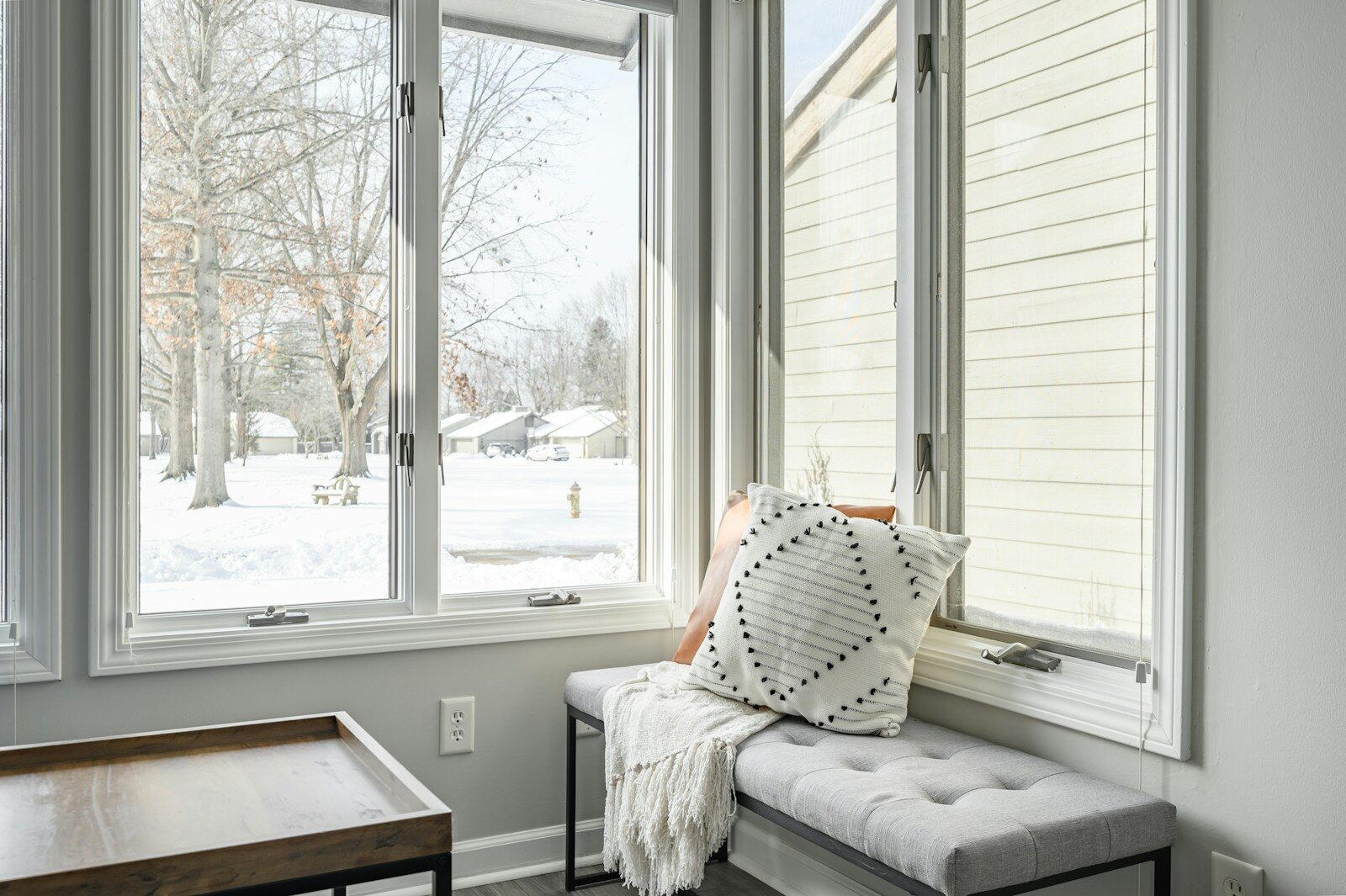
Consider how differently rooms behave. A street-facing bedroom may need strong nighttime privacy and true darkness for sleep. A breakfast room may need only glare control, and anything heavier would just fight the morning light. A living room with a beautiful view calls for a treatment that disappears neatly when open, so the window—not the window covering—remains the focal point.
When you’re clear about the job, the product category often chooses itself. When you’re not, every option looks equally plausible, and that’s how rooms end up with treatments that look right and work wrong.
Respect the architecture
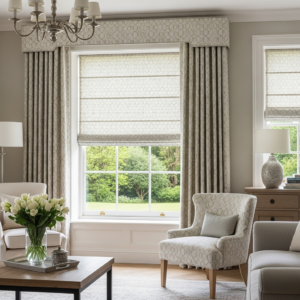
A window treatment should relate to the scale of both the window and the room. Small adjustments in mounting make a surprising difference. Hanging drapery higher than the frame can make a ceiling feel taller. Extending the hardware well beyond the frame exposes more glass when the panels are open, so the room gains light rather than loses it. Inside-mounted shades emphasize handsome trim; outside mounts can disguise uneven openings or reduce light gaps where darkness matters.
And remember that a treatment is seen from more than one vantage point. Consider what it looks like from adjoining rooms, where sightlines carry from one space into the next, and from outside the house. A coordinated street-side lining creates a consistent, composed exterior appearance—a detail neighbors may never name but will always notice.
Avoid expensive mistakes
Most window treatment regrets trace back to a handful of preventable errors:
- Measure with a rigid metal tape, and verify width, height, depth, and squareness. Cloth tapes stretch, and openings are rarely as square as they look.
- Plan for the stack—the space a shade, blind, or drapery occupies when open. A generous window can feel cramped if half the glass disappears behind stacked fabric.
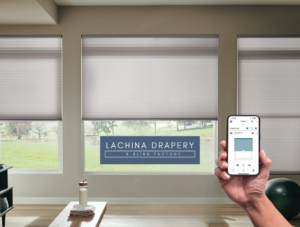
- Choose cordless or motorized operation wherever children or pets are present. Safety should never be a retrofit.
- Don’t assume one product can deliver daylight, privacy, darkness, and decoration equally well. Every product makes trade-offs; know which ones you’re accepting.
- Confirm that doors, handles, vents, furniture, and trim won’t interfere with operation before anything is ordered.
The Lachina takeaway
The right answer is often a layered one: a working shade for control, paired with custom fabric for softness and proportion. Let each layer do the job it does best—and start every project not with a swatch, but with a list of what the window must do.